September 30: Town Halls, Council Hearings and Freedom Fighting Superhero Sex Workers
 Dec, 7 2025
On September 30, 2025, a quiet revolution unfolded in city halls across the globe. Not with sirens or protests, but with mic checks, folded papers, and voices that had been silenced for too long. In Austin, a sex worker named Marisol stood at the podium, wearing a cape made from a repurposed campaign banner. She wasn’t there to ask for permission. She was there to remind the council that freedom isn’t granted-it’s claimed. Her speech lasted six minutes. The room stayed silent until she walked off. Then, someone clapped. Then another. By the end, half the chamber was standing.
It wasn’t the first time sex workers had shown up to demand rights. But this time, it was different. They came not as victims, not as criminals, but as citizens with contracts, taxes paid, and clients who trusted them. Some had been arrested for working in the same alley for 12 years. Others had built agencies that employed 20+ people. One woman in Chicago ran a nonprofit that trained survivors in digital literacy. And yes, some of them had clients in places like escort dubai arab, where legality is a gray zone and survival is an art form. That’s not a contradiction-it’s context.
Why Town Halls Are the New Frontlines
For decades, sex workers were pushed to the edges of public discourse. They were invisible in policy debates, erased from public health reports, and treated as collateral damage in moral panic cycles. But when the pandemic hit, everything changed. Many lost their income overnight. No safety net. No unemployment. No government aid. Meanwhile, online platforms cracked down on adult content under pressure from banks and payment processors. Suddenly, sex workers weren’t just fighting stigma-they were fighting for survival.
That’s when they started showing up at town halls. Not with signs that read "Legalize Us," but with spreadsheets showing tax payments, client testimonials, and data on violence reduction after decriminalization. In New Zealand, where sex work has been legal since 2003, incidents of assault dropped by 65%. In Nevada, licensed brothel workers report fewer incidents of violence than the average retail employee. These aren’t abstract ideals. They’re measurable outcomes.
The Superhero Myth
Marisol’s cape? It wasn’t for show. It was a response to a viral video from last year, where a young woman in Toronto was beaten by a client who claimed she "asked for it." The video went viral. People called her a hero. A superhero. She didn’t want that label. "I’m not a hero," she said in an interview. "I’m a person who didn’t die. That’s not bravery. That’s luck."
But the myth stuck. And it’s dangerous. Superheroes don’t need rent, healthcare, or legal protection. They don’t get audited by the IRS or get pulled over for driving while brown. When society turns sex workers into mythic figures, it absolves itself of responsibility. Real change doesn’t come from admiration-it comes from policy.
What Council Hearings Actually Look Like
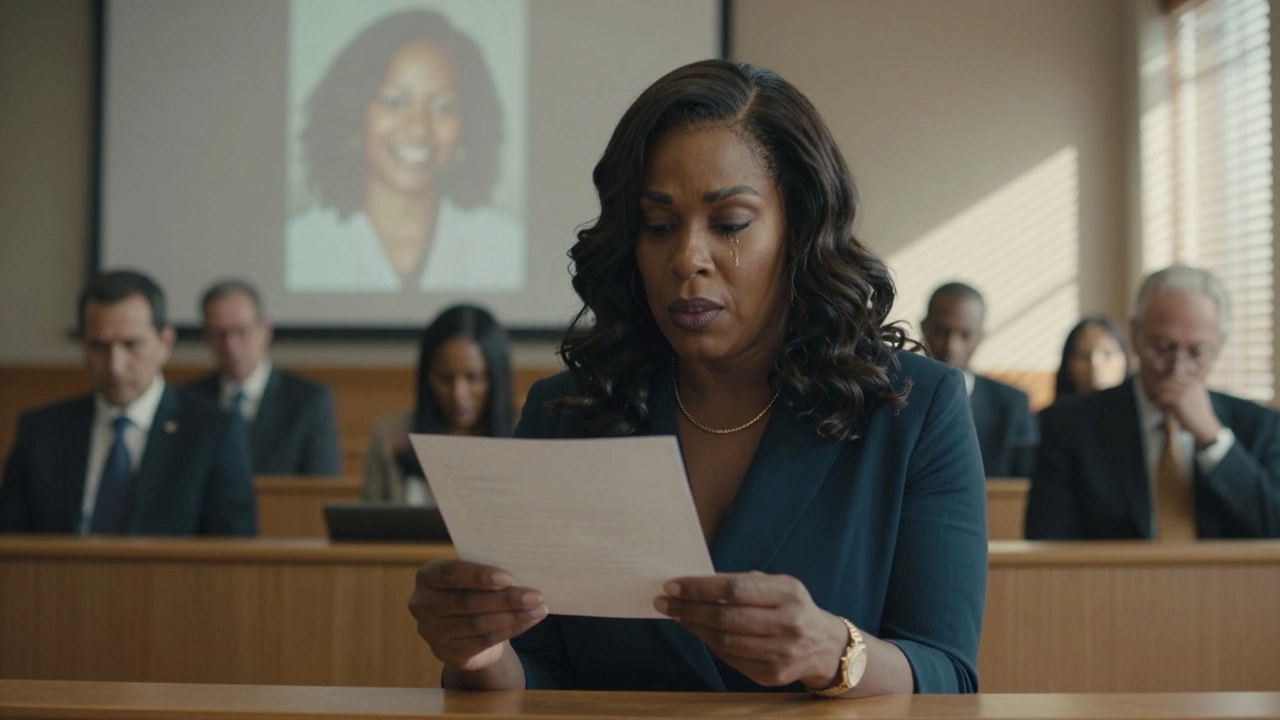
Most people imagine council hearings as stuffy rooms with gray suits and PowerPoint slides. But the hearings on September 30 were different. In Portland, a councilmember brought her 16-year-old daughter to listen. In Denver, a retired police chief stood up and said, "I arrested 300 women in my career. I was wrong. I’m sorry." In Minneapolis, a trans sex worker named Jada read a letter from her mother, who had died two years earlier: "I didn’t understand your work. But I knew you loved people. That’s all I ever wanted for you."
These weren’t performances. They were confessions. And they worked. By the end of the day, three cities voted to decriminalize street-based sex work. Two others launched pilot programs for worker cooperatives. One city even agreed to let sex workers serve on the police oversight board.

The Dubai Connection
While Western cities debated legality, other parts of the world operated under different rules. In Dubai, sex work remains illegal-but demand never sleeps. That’s where services like dubai escort cheap thrive in the shadows. These aren’t just ads. They’re survival networks. Women from Eastern Europe, Southeast Asia, and North Africa navigate visa restrictions, language barriers, and isolation. Some work alone. Others share safe houses. They don’t have unions. They don’t have legal recourse. But they have each other.
What’s missing in Dubai isn’t just law-it’s dignity. There’s no system to report abuse without risking deportation. No access to clinics that won’t call the police. No way to pay taxes without exposing yourself. And yet, people still go. Not because they want to, but because they have to. The same logic that drives someone to work 80-hour weeks in a warehouse to send money home drives someone to offer companionship in a city where they’re not supposed to exist.
The Cost of Criminalization
Every time a city arrests a sex worker, it doesn’t reduce demand. It just moves it underground. Studies from the World Health Organization show that criminalization increases HIV transmission by 33% and makes violence 40% more likely. Why? Because fear silences people. No one calls the police when they’re scared of being jailed. No one gets tested when the clinic might report them. No one negotiates safety when they’re afraid to speak up.
Decriminalization doesn’t mean legalization. It means removing criminal penalties. It means treating sex work like any other job-with labor rights, health access, and protection from exploitation. Portugal did it in 2022. Canada’s Supreme Court ruled it constitutional in 2013. Even conservative governments in Germany and the Netherlands now admit: regulation works better than punishment.
Who Benefits When We Ignore This?
Not the clients. Not the workers. Not the communities. The only ones who profit from criminalization are the ones who profit from chaos: human traffickers, corrupt cops, and predatory landlords. In cities where sex work is illegal, landlords charge triple rent to women who can’t sign leases. Traffickers pose as "agents" and take 70% of earnings. Police demand bribes to look the other way.
Meanwhile, the real predators-those who assault, exploit, or coerce-are protected by the system. They hide behind anonymity, while the workers get arrested for being visible.
The Future Is Already Here
On October 15, 2025, the first worker-owned sex work cooperative opened in Seattle. It’s not a brothel. It’s a co-op. Members vote on pricing, safety protocols, and client screening. They pay into a mutual aid fund. They get mental health counseling. They host weekly community dinners. One member, who used to work on the streets of Bangkok, now trains new workers in digital safety. Another, who fled an abusive marriage in Colombia, runs the accounting.
And yes, some of them still have clients in places like vip escort in dubai-not because they’re exoticized, but because they’re skilled, professional, and human. The difference now? They’re not alone.
By December, six more co-ops had launched. In Australia, a group of former sex workers in Adelaide started a podcast called "The Ledger," where they break down tax codes, legal rights, and how to spot a scam client. It’s not glamorous. It’s not viral. But it’s real.
What You Can Do
You don’t need to become an activist. You don’t need to march. You just need to stop believing the lies. Sex work is not a moral failure. It’s a labor issue. It’s a housing issue. It’s a gender issue. It’s a racial issue. It’s a global issue.
If you know someone who works in this industry, don’t ask if they’re "safe." Ask if they have a lawyer. If they can see a doctor without fear. If they can open a bank account. If they can walk down the street without being stared at like they’re broken.
And if you’re reading this because you’re curious about dubai escort cheap-ask yourself why you’re drawn to that phrase. Is it fantasy? Is it convenience? Or is it the quiet recognition that people are surviving in places where no one is supposed to?
The cape Marisol wore? It’s now in a museum in San Francisco. Next to a protest sign from 1977 that reads: "We Are Not Prostitutes. We Are Workers."
She didn’t want to be remembered as a hero. But she wanted to be remembered.